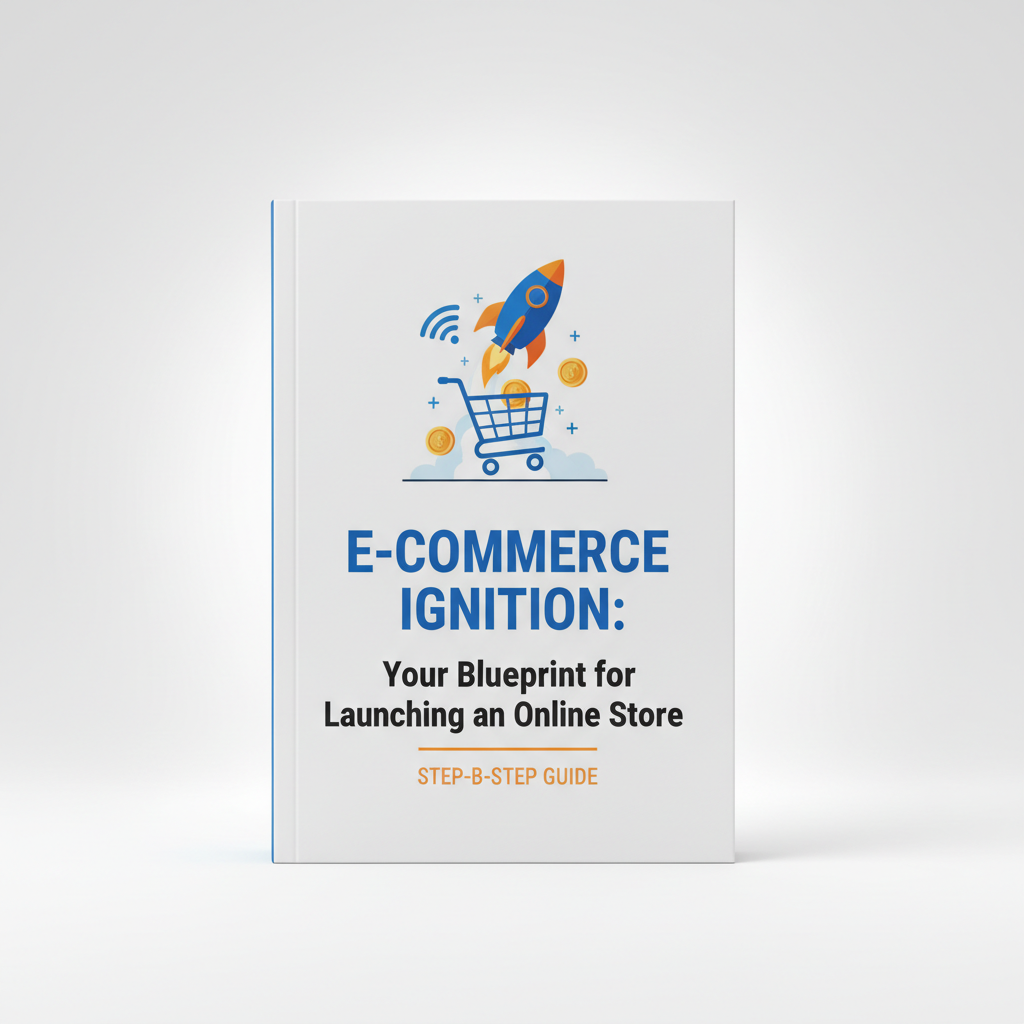
Self-publishing on Amazon KDP has never been more competitive — or more rewarding. In 2026, over 4 million new titles are uploaded to the platform each year. The authors who break through are not necessarily the best writers. They are the ones who treat publishing as a business.
Step 1: Start With Market Research, Not Your Manuscript
Most first-time authors make the mistake of writing their book first, then trying to find an audience. Bestselling indie authors do the opposite. Before you write a single chapter, spend two weeks studying the top 100 books in your target category on Amazon. Look at cover design patterns, title structures, subtitle formulas, and the language used in top-performing descriptions.
- Use Publisher Rocket or Helium 10 to identify high-traffic, low-competition keywords in your niche
- Study the "Also Bought" section of top competitors to map your reader ecosystem
- Analyse 1-star and 5-star reviews to understand exactly what readers want — and what frustrates them
- Validate your concept before committing to a full manuscript
Step 2: Ghostwriting and Manuscript Quality
If writing is not your strength, ghostwriting is a legitimate and widely-used strategy among successful indie publishers. The key is finding a ghostwriter who understands your voice, your audience, and your genre conventions. Brief them with reader reviews, competitor titles, and a detailed outline. Expect to invest in at least two rounds of revision.
“The manuscript is your product. Every dollar you invest in quality writing, editing, and proofreading pays back in reviews, word-of-mouth, and long-term sales velocity.”
Step 3: Cover Design Is Your #1 Marketing Asset
On Amazon, your cover is a thumbnail. It needs to communicate genre, tone, and quality in under two seconds at 80×120 pixels. Hire a professional cover designer who specialises in your genre — not a generalist graphic designer. Study the top 20 covers in your category and brief your designer accordingly. A cover that looks out of place in its genre will kill your conversion rate regardless of how good the book is.
Cover Design Checklist
- Genre-appropriate imagery and typography
- High contrast that reads clearly as a thumbnail
- Author name and title legible at small sizes
- Spine and back cover designed for print editions
- Separate eBook and print-ready files
Step 4: KDP Keyword and Category Strategy
Amazon gives you 7 keyword slots and 2 category selections. Most authors waste these on obvious, high-competition terms. Instead, use long-tail keyword phrases that match actual search behaviour. Phrases like "dark fantasy romance with magic system" outperform single words like "fantasy" because they attract buyers who are already looking for exactly what you wrote.
Pro Tip: You can request additional category placements by contacting KDP support directly. Most authors do not know this. Getting into 8–10 categories dramatically increases your chances of hitting a bestseller badge.
Step 5: Launch Strategy — The First 30 Days
Amazon's algorithm rewards velocity. The more sales and reviews you generate in the first 30 days, the higher your organic ranking climbs. Build a launch team of 20–50 readers before your release date. Use an ARC (Advance Review Copy) programme to collect honest reviews on launch day. Run a Kindle Countdown Deal or Free Promotion in week two to spike your rank in the free store.
- Set up your author page on Amazon Author Central before launch
- Schedule a BookBub Featured Deal if your budget allows — it can generate thousands of downloads in 24 hours
- Run Meta or Amazon Ads from day one to supplement organic traffic
- Email your list on launch day with a direct purchase link
- Post consistently on social media in the two weeks before and after launch
The Long Game: Series Strategy and Back Catalogue
The most profitable indie authors are not one-book wonders. They build series with strong read-through rates, meaning readers who buy book one are highly likely to buy books two, three, and beyond. Structure your first book to end satisfyingly but leave narrative threads that pull readers forward. Price book one lower (or free) to maximise series entry, then earn on the back catalogue.
Self-publishing in 2026 is a business. Treat it like one — invest in quality, study your market, and play the long game. The authors who succeed are not lucky. They are strategic.